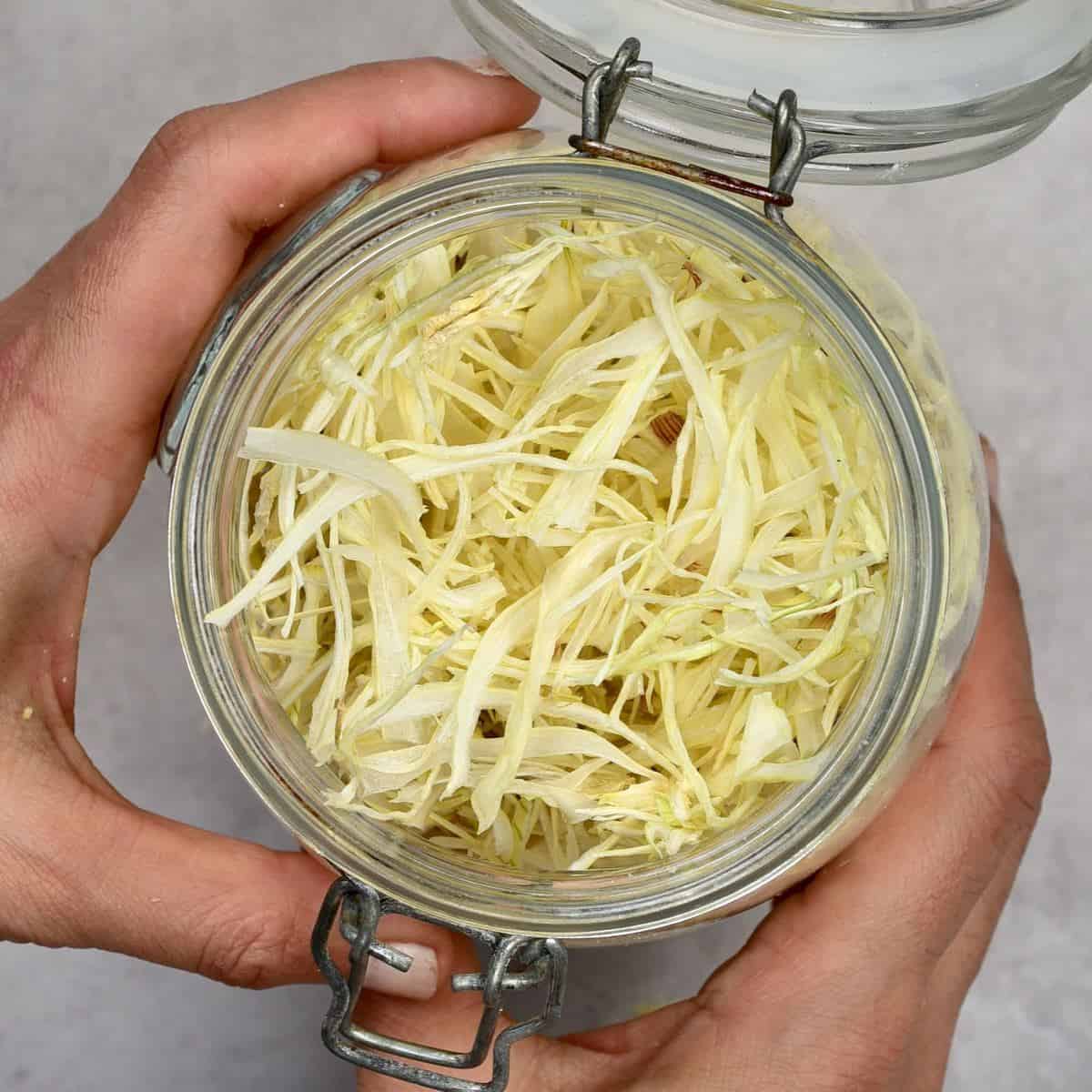
Homemade Onion Flakes: Dehydrator & Oven Methods for Preservation
Finding yourself with an abundance of onions, whether from a bountiful garden harvest, a fantastic bulk purchase, or simply an excess that’s nearing its prime? Instead of letting those precious alliums go to waste, consider transforming them into a culinary marvel: homemade onion flakes. This simple yet incredibly rewarding process not only preserves their pungent-sweet flavor but also offers a convenient, cost-effective, and preservative-free ingredient for your pantry. Learning
how to make onion flakes at home is a fantastic step towards greater food self-sufficiency and ensures you always have this versatile seasoning on hand.
Dehydrating onions into flakes allows you to capture their essence at peak freshness, extending their shelf life for months, even years. In this comprehensive guide, we'll explore two primary methods – using a food dehydrator and your kitchen oven – along with crucial tips and insights to help you achieve perfect, flavorful onion flakes every time.
Why Make Your Own Onion Flakes? The Benefits of Homemade Preservation
There's a growing movement towards understanding and controlling what goes into our food, and making your own onion flakes aligns perfectly with this ethos. As horticulturist Kéven Prescott eloquently puts it, transforming garden onions into products like flakes is a practical way to foster food self-sufficiency. But the advantages extend far beyond just self-reliance:
*
Unrivaled Flavor and Quality: Store-bought onion flakes often contain anti-caking agents, fillers, or are made from lower-quality onions. Homemade flakes, especially from varieties like red onions (which Kéven Prescott highly recommends for their sweet character), offer a significantly superior, purer, and more intense flavor. You control the quality from start to finish.
*
Cost-Effective: If you grow your own onions or buy them in bulk when they're on sale, dehydrating them into flakes is far more economical than purchasing pre-packaged versions. It's an excellent way to save money while stocking your pantry with a premium ingredient.
*
Reduced Food Waste: Dehydrating is an ideal solution for utilizing surplus onions that might otherwise spoil. Whether they're past year's harvest starting to soften or just more than you can use fresh, turning them into flakes ensures nothing goes to waste.
*
Convenience at Your Fingertips: Imagine skipping the chopping, the tearing eyes, and the lingering onion smell on your hands. Dehydrated onion flakes are ready to use in an instant, simply sprinkle them into your dishes for a burst of concentrated onion flavor.
*
Preservative-Free: When you make them yourself, you know exactly what’s in them: just onions. No hidden ingredients, no chemicals – just pure, natural goodness.
*
Customization: You have the freedom to choose your favorite onion variety and even control the size of your flakes, from fine granules to larger, more decorative pieces.
For more on embracing this sustainable approach, check out our article on
Transform Garden Onions: Easy Flakes for Food Self-Sufficiency.
Choosing Your Onions & Essential Preparation Steps
The journey to perfect onion flakes begins with selecting the right onions and preparing them properly.
Choosing Your Onion Variety
While any onion can be dehydrated, certain varieties lend themselves better to specific flavors:
*
Red Onions: Highly recommended by Kéven Prescott, red onions offer a distinct sweetness that translates beautifully into flakes. They're excellent for sprinkling directly onto dishes or for a milder flavor profile.
*
Yellow Onions: These are the workhorses of the kitchen, providing a robust, classic onion flavor that intensifies when dried. Ideal for general cooking, soups, and stews.
*
White Onions: Milder than yellow onions, white onions produce flakes with a sharp but less lingering flavor.
Regardless of the variety, choose firm, healthy onions free from blemishes, sprouts, or soft spots.
Preparing Your Onions for Dehydration
Consistent preparation is key to achieving even drying and perfectly uniform flakes.
1.
Peel the Onions: Remove the papery outer skin and any bruised layers.
2.
Wash (Optional): A quick rinse under cold water can remove any dirt, but ensure they are thoroughly dried before proceeding.
3.
Chop or Slice: This is where you determine the final flake size:
*
For Flakes (Food Processor Method): Cut peeled onions into quarters or chunks. Place them in a food processor and pulse roughly until you achieve pieces about ¼ inch thick. Avoid over-processing, which can turn them into a mush. This method is excellent for general-purpose flakes and powders.
*
For Thin Slices (Mandoline Method): If you desire thinner, more decorative flakes or want to ensure faster drying, use a mandoline to create even slices, aiming for 1/8 inch thick at the maximum. A sharp knife can also be used, but consistency is harder to achieve.
*
Pro Tip: To minimize tears, chill your onions in the freezer for 15-30 minutes before cutting, or work near an open window or fan.
Method 1: Dehydrating Onion Flakes with a Dehydrator
A food dehydrator offers the most efficient and controlled environment for making onion flakes, ensuring even drying and excellent results.
Equipment Needed:
* Food Dehydrator
* Parchment paper (optional, but useful for small pieces or sticky residue)
* Food processor or spice grinder (for optional final flake size adjustment)
Step-by-Step Instructions:
1.
Prepare Onions: Follow the peeling and chopping/slicing instructions above.
2.
Arrange on Trays: Line your dehydrator trays with parchment paper if desired, especially if using finely minced onion. Spread the chopped or sliced onion pieces in a single layer, ensuring they don't overlap too much. Overlapping can significantly increase drying time and lead to uneven dehydration. Aim for about ¼ inch thick for rough chops.
3.
Set Temperature: Set your dehydrator to 125°F (52°C) or up to 150°F (66°C). Lower temperatures preserve more nutrients and the sweet character of the onion, while higher temperatures can speed up the process but may slightly alter the flavor.
4.
Dehydrate: The drying time can vary significantly based on factors like ambient humidity, onion thickness, and your dehydrator model. Expect anywhere from 4 to 8 hours, or even longer for thicker pieces or high humidity.
* Check periodically, especially after the first few hours.
* If your dehydrator doesn't have even heat distribution, consider rotating the trays every few hours.
5.
Check for Doneness: The onion flakes are completely dehydrated when they are brittle and snap easily when you try to bend them. There should be absolutely no pliability or moisture. If they feel soft or bendy, they need more time. Incomplete drying can lead to spoilage during storage.
6.
Post-Dehydration Processing (Optional): Once completely dry, if you desire a finer flake or even onion powder, you can place the dried pieces back into a clean food processor or a spice grinder and pulse until you reach your desired consistency. This also helps break up any clumps.
Method 2: Making Onion Flakes in Your Oven
Don't have a dehydrator? No problem! Your oven can also be used to make excellent onion flakes, though it requires a bit more vigilance and is generally less energy-efficient for large batches.
Equipment Needed:
* Baking sheets
* Parchment paper (essential to prevent sticking and for easy cleanup)
* Wooden spoon or similar (to prop oven door)
* Food processor or spice grinder (for optional final flake size adjustment)
Step-by-Step Instructions:
1.
Prepare Onions: Peel and chop or slice your onions as described earlier.
2.
Arrange on Baking Sheets: Line your baking sheets with parchment paper. Spread the onion pieces in a single, even layer, making sure they don’t overlap significantly. This is critical for even drying in the oven.
3.
Set Oven Temperature: This is the most crucial step for oven dehydration. Set your oven to its absolute lowest temperature, ideally between 130-150°F (54-66°C). If your oven's lowest setting is higher than this, that's okay, but you'll need to compensate.
4.
Prop Oven Door: If your oven’s lowest temperature is above 150°F, or even if it's within range, it’s best practice to prop the oven door open slightly (e.g., with the handle of a wooden spoon). This allows for crucial airflow and enables moisture (steam) to escape, preventing the onions from baking or cooking instead of dehydrating.
5.
Dehydrate: Place the baking sheets in the oven. Oven drying typically takes longer than a dehydrator, often several hours (6-12+ hours), depending on thickness and oven temperature.
* Check the onions hourly, gently stirring or flipping them to ensure even drying.
* Rotate the baking sheets between racks to account for hot spots in your oven.
6.
Check for Doneness: Like with the dehydrator method, the onion pieces should be completely brittle and snap easily. Any pliability means they still contain moisture and need more time.
7.
Post-Dehydration Processing (Optional): Once fully dry and cooled, process them in a food processor or spice grinder to achieve your desired flake size or to make powder.
For more detailed comparisons and insights on homemade onion flakes, explore our guide on
DIY Onion Flakes: Tastier & Preservative-Free Flavor for Your Dishes.
Storing Your Homemade Onion Flakes
Proper storage is essential to maintain the quality and extend the shelf life of your homemade onion flakes.
*
Cool Completely: Before storing, ensure your dehydrated onion flakes are entirely cool. Storing warm flakes can create condensation, leading to spoilage.
*
Airtight Containers: Transfer the cooled flakes to airtight glass jars, plastic containers, or vacuum-sealed bags. This protects them from moisture and air, which are the main enemies of dehydrated food.
*
Dark, Cool Place: Store the containers in a cool, dark pantry or cupboard, away from direct sunlight or heat sources.
*
Moisture Check: Over the first few days, keep an eye on your stored flakes. If you notice any condensation forming inside the container, it means the onions weren't completely dry. Spread them back out on trays and dehydrate them for another hour or two until fully dry, then cool and re-store.
*
Shelf Life: When properly dried and stored, homemade onion flakes can last for up to a year or even longer, offering a convenient and flavorful ingredient whenever you need it.
Using Your Homemade Onion Flakes
Now that you've mastered
how to make onion flakes, it's time to put them to good use! Their concentrated flavor makes them a fantastic addition to a wide range of dishes:
*
Seasoning: Sprinkle directly onto salads, scrambled eggs, roasted vegetables, grilled meats, or even a simple piece of toast for a savory kick. Kéven Prescott notes their sweet side makes them enjoyable even directly!
*
Cooking: Incorporate into soups, stews, casseroles, sauces, gravies, and marinades. They'll rehydrate and release their full flavor as they cook.
*
Baking: Add to savory breads, rolls, crackers, or even homemade bagels for a delicious oniony note.
*
Spice Blends: Combine with other dried herbs and spices to create custom blends like everything bagel seasoning, rubs for BBQ, or savory seasoning mixes.
*
Reconstitution: For a texture closer to fresh onion, rehydrate a small amount by soaking them in warm water for about 10-15 minutes before adding to dishes.
*
Decorative Use: For beautiful, crispy onion garnish, use thinly sliced, dehydrated onions on top of dishes.
Making homemade onion flakes is a simple yet impactful way to enhance your cooking, reduce waste, and embrace a more self-sufficient lifestyle. With either a dehydrator or your oven, you can transform a humble onion harvest into a versatile pantry staple, ready to infuse your meals with concentrated, natural flavor year-round. Enjoy the satisfaction of creating your own seasonings and the incredible taste they bring to your table!